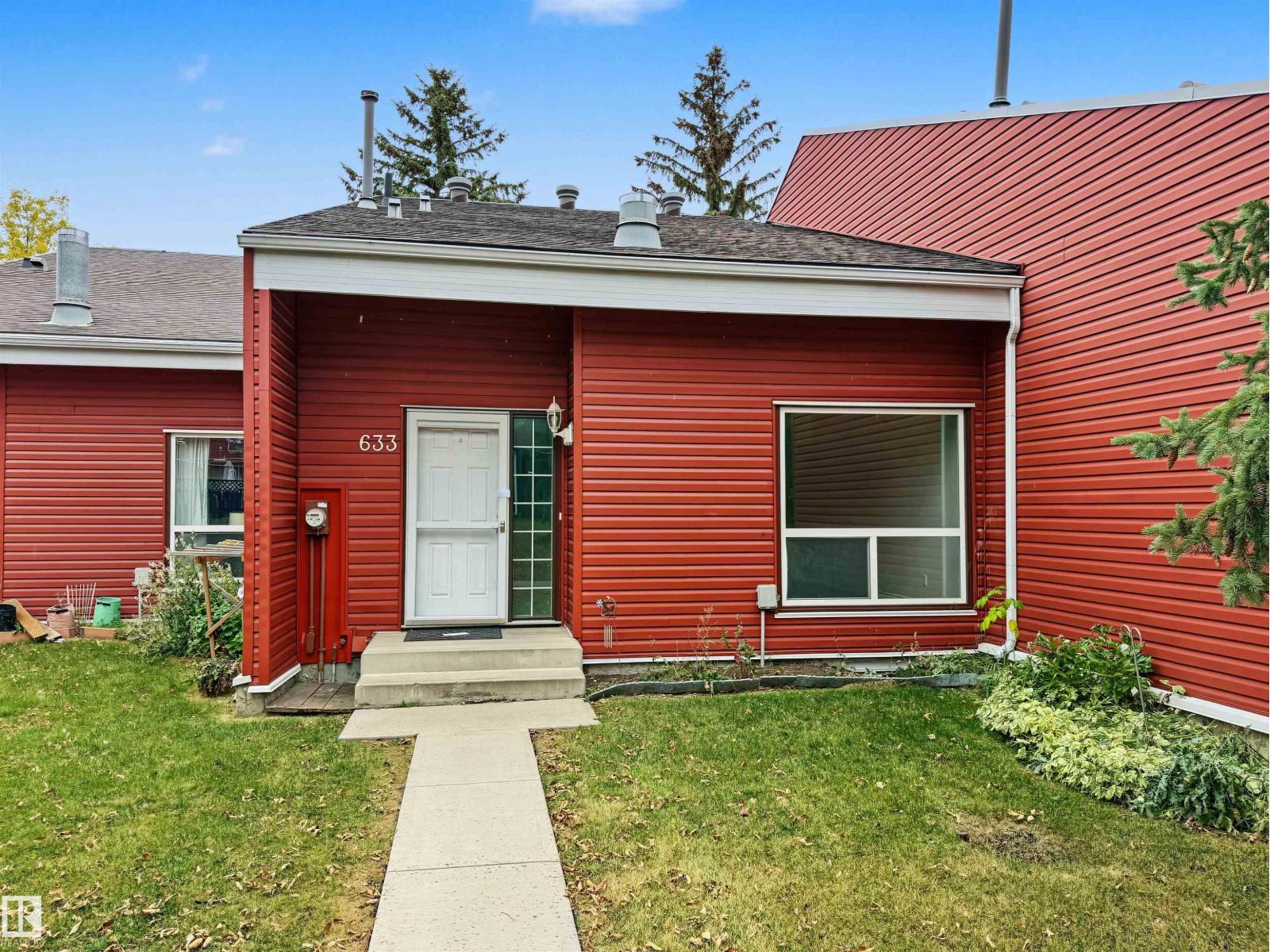
 New
New$224,900
253 bd1+2 ba1,066 ft²$211/ft²
633 Millbourne Rd E NW
Row / TownhouseLee Ridge1 day ago
E4513367 · Courtesy of MaxWell Polaris
REALTOR.caSoutheast Edmonton · Neighbourhood profile
Not a neighbourhood but a district of two dozen — multicultural, affordable, on the Valley Line, and far more varied than its name suggests.
Median assessed
$393,000
24,203 residential properties
Vs. Edmonton
-8.0%
city median $427,000
Est. 2026 property tax
$4,073
10.3637 per $1,000 assessed
Population
77,255
2021 Census
Live MLS® listings, newest first.
New3 bd1+2 ba1,066 ft²$211/ft²
E4513367 · Courtesy of MaxWell Polaris
REALTOR.ca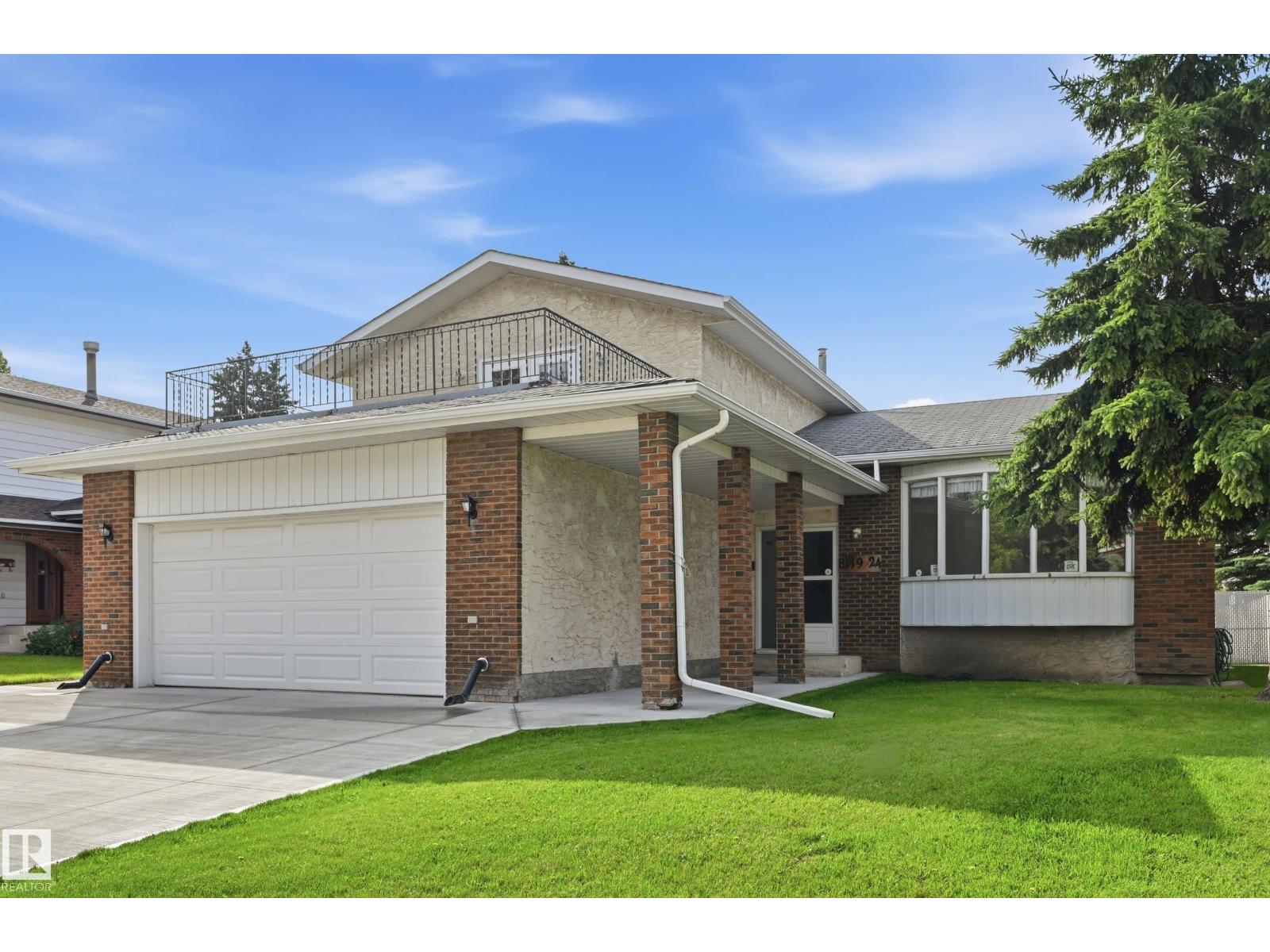 New
New5 bd2+1 ba2,263 ft²$206/ft²
E4513302 · Courtesy of Century 21 Masters
REALTOR.ca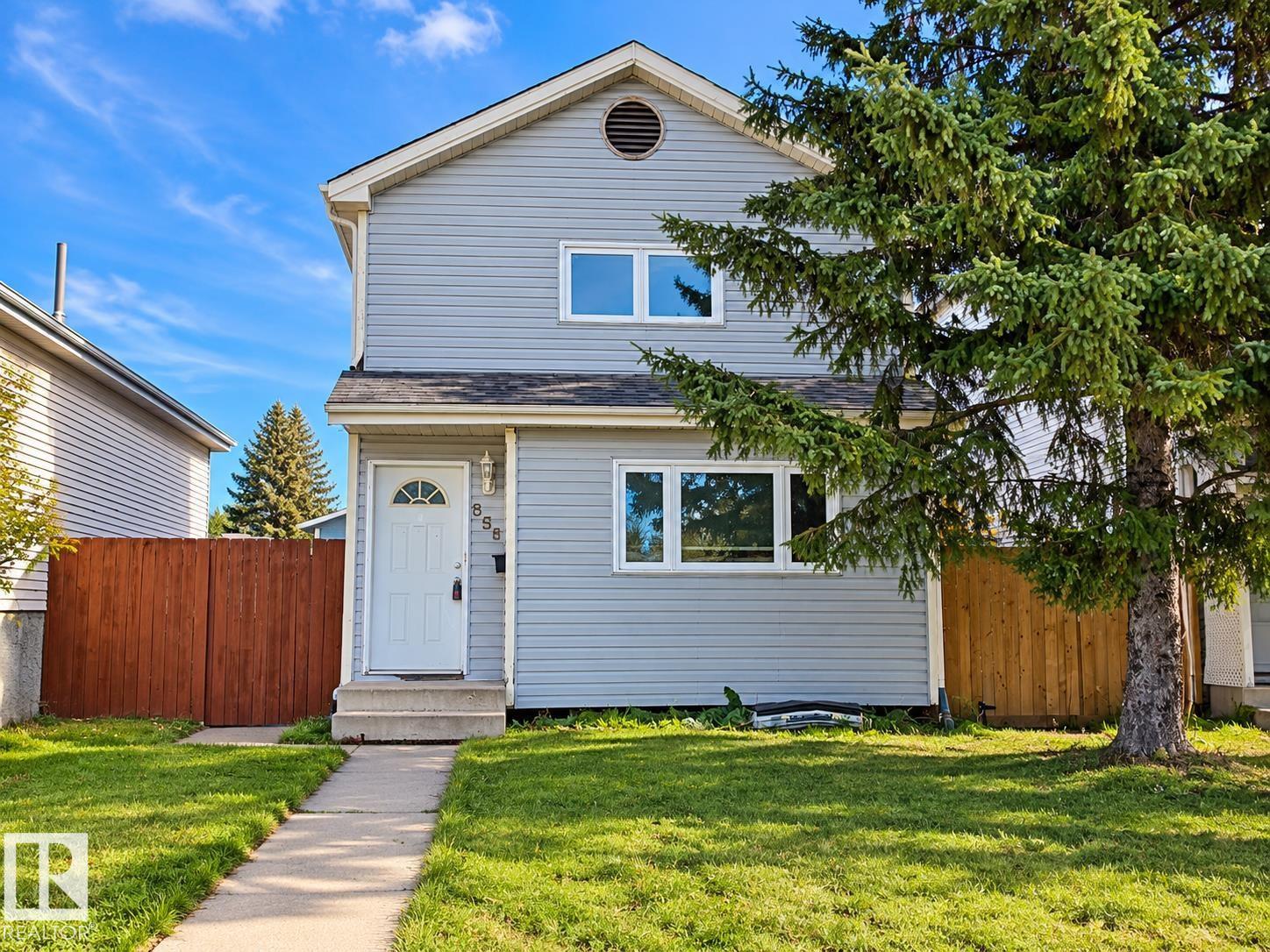 New
New3 bd2+1 ba1,173 ft²
E4513279 · Courtesy of Kairali Realty Inc.
REALTOR.ca New
New2 bd1 ba940 ft²$170/ft²
E4513269 · Courtesy of MaxWell Polaris
REALTOR.ca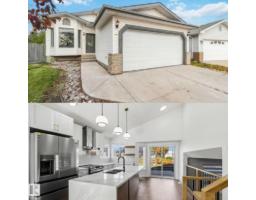 New
New4 bd3 ba1,216 ft²$411/ft²
E4513268 · Courtesy of Exp Realty
REALTOR.ca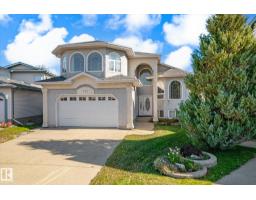 New
New8 bd4 ba2,299 ft²$283/ft²
E4513257 · Courtesy of Century 21 Reward Realty
REALTOR.caMLS® listing content on this page is made available under our Terms of Use.
Christopher Peel · REALTOR®
MaxWell® Polaris
This website is operated by Christopher Peel, REALTOR®, of MaxWell Polaris, Edmonton, Alberta — the brokerage responsible for this website.

The listing data above is provided under copyright by the Canadian Real Estate Association (CREA). The listing data is deemed reliable but is not guaranteed accurate by CREA nor BestYEGHomes.
Listing information last updated on October 18, 2026 at 12:30 a.m. MT.
Mill Woods is one of Edmonton's great post-war projects: planned from 1971, built out over three decades, and now home to more people than many Alberta cities. It is genuinely multicultural, genuinely affordable, and has the mature trees and park network that come with fifty years of growing in. The Valley Line LRT runs through it.
The thing to understand before you compare any number is that Mill Woods is not a neighbourhood. It is a district made of two dozen City neighbourhoods, and the spread between them is enormous — the chart above shows the cheapest and the dearest side by side. A quoted Mill Woods average describes almost no actual home here. Ask which neighbourhood, always.
The place
The mix of cultures is the defining fact here, and you see it every day — in the grocery stores, the restaurants, the places of worship, and the languages on the street. For a lot of families it is the reason they are here rather than somewhere newer, and it is not a feature a new suburb can manufacture.
The infrastructure is unusually complete for an Edmonton suburb. Mill Woods Town Centre covers the shopping and the Valley Line LRT gets you downtown. Grey Nuns Community Hospital is in the district, along with a seniors centre and a wide park network under fifty-year-old trees. 50 Street and Whitemud Drive carry the driving commute.
The housing is mostly detached homes of roughly 1,000 to 1,600 square feet built between the 1970s and the 2000s, plus apartment stock concentrated around the town centre. The City calls the district a redeveloping area. The permit table above shows a steady flow of rowhousing and suites being added to streets that are already built.
What stands out
The price band
Mill Woods’s median residential assessment sits at $393,000 — 8.0% below the Edmonton median of $427,000. But Mill Woods is a district, not a single neighbourhood, and one median across all of it describes almost nobody. Here is every City neighbourhood inside it.
One caution on reading this chart: each bar is a median across every residential property in that area, houses and apartment condos together. An area with a lot of condo stock reads lower here — not because its houses are cheaper, but because the mix is different.
Source: City of Edmonton Open Data, property assessments (q7d6-ambg) — 2026 assessment and tax year · development permits to October 2, 2026. Residential properties assessed at $100,000 or more, which excludes parking stalls, storage units and vacant land. Assessed values are the City’s valuations for tax purposes, not sale prices.
Inside the range
The City records whether a property has a garage. That is a rough stand-in for the detached-house stock and nothing more — plenty of houses have no garage, and the flag says nothing about building type.
The longer view
+19.1% in the median between 2015 and 2026.
Source: City of Edmonton Open Data, historical property assessments (qi6a-xuwt). Residential parcels assessed at $100,000 or more. The most recent year comes from the current assessment roll (q7d6-ambg), which classifies properties slightly differently — close enough to compare, not the same query.
Worth knowing
An average tells you about the middle of a group. It is only useful when the group is similar enough that a middle means something. Look at the chart above: the constituent neighbourhoods of Mill Woods run from the cheapest band in the city to the middle of it, and the district median sits somewhere in between describing hardly anyone.
This is a general failure and Mill Woods just shows it most clearly. Any time an area is quoted as one number — a district, a quadrant, a whole city — ask what the spread inside it looks like. If the spread is wide, the average is not a summary of the group; it is a fact about arithmetic that happens to be true of no member. The apartment stock around the town centre and the detached homes at the district's edges are not in the same market and never were.
The practical version. When someone tells you what Mill Woods is worth, or what it did last year, that number is doing almost no work. The useful question is which of the two dozen neighbourhoods, and the chart above is there so you can ask it. The same discipline applies to every area figure you will be quoted while you shop.
On the ground
69 residential-construction permits have been filed here since January 1, 2024, in a neighbourhood the City classifies as redeveloping.
Of those, 38 include secondary suites and 15 include a garden suite or backyard house. A permit can appear in more than one row — a row house with suites is both.
Source: City of Edmonton Open Data, development permits (q4gd-6q9r), residential-construction permits only. Most recent in this set: October 2, 2026.
Recently filed
2026 - 45 STREET NW
To construct a Residential Use building in the form of a 3 Dwelling Row House with unenclosed front porches, uncovered decks, and 3 Secondary Suites in the basements. and uncovered decks.
Permit dated October 2, 2026 · Approved
3 - EKOTA CRESCENT NW
To construct a Residential Use building in the form of a 2-Storey 8 Dwelling Multi-unit Housing building with unenclosed front porches.
Permit dated September 24, 2026 · Approved
1, 8803 - 42A AVENUE NW
To construct a Residential Use building in the form of a 4 Dwelling Row House with unenclosed porches, 3 Secondary Suites in the Basements, and 1 Basement development (NOT to be used as an additional Dwelling) (Total 7 Dwellings).
Permit dated September 14, 2026 · Approved
7020G - 13 AVENUE NW
To construct a Residential Use building in the form of a Backyard House (1 Dwelling without Garage) with a Basement development (NOT to be used as an Additional Dwelling).
Permit dated September 9, 2026 · Approved
A development permit is an application to build, and its status is the City’s — approved, in progress, or under appeal. None of them is a finished building, and not every one gets built. They are the earliest public signal of what a block is becoming.
The carrying cost
Edmonton sets one residential tax rate for the whole city, so Mill Woods has no rate of its own — your bill is that rate applied to your own assessed value. At the 2026 rate of 10.3637 per $1,000 of assessment, a home at Mill Woods’s median of $393,000 would carry about $4,073 a year — roughly $339 a month. The rate splits into 7.7419 municipal and 2.6218 provincial education.
Your own bill will differ, because your assessment will. If it looks wrong, it can be challenged — our Edmonton property tax guide walks through how the bill is built, and how to appeal an Edmonton property assessment covers the complaint process and its deadlines.
Source: City of Edmonton Open Data, tax rates (pwis-wc4c), 2026 residential rate, applied to the median assessment above. An estimate for the median property, not a bill for any specific one.
The honest read
What works
Real affordability with real infrastructure
Assessments below the city median, in a district with LRT, a hospital, a major shopping centre and a mature park network. Cheaper areas rarely come this complete.
The Valley Line LRT actually runs here
Operational service to downtown, not a planned corridor. In a city where most suburbs have a bus and a promise, that is a meaningful difference.
Fifty years of trees
Mature canopy and an extensive park network. New suburbs cannot deliver this, and it is a large part of what makes the older streets feel settled.
Genuinely multicultural
Not a marketing adjective — it shows up in the shops, the food and the community life. For many families it is the reason to choose here over somewhere newer.
The tradeoffs
The name hides an enormous price range
Two dozen neighbourhoods with very different values. Any Mill Woods average you are quoted — including ours — is close to meaningless for a specific address. Always ask which neighbourhood.
1970s and 1980s housing stock
Homes of that era come with the systems of that era. Furnaces, panels, windows and sewer lines are all candidates. Inspect properly and price the work.
Smaller homes than newer suburbs
Typically 1,000 to 1,600 square feet. If your family needs the space a post-2005 build offers, the value here comes with a size tradeoff.
Infill is arriving
The City calls the district a redeveloping area, and rowhousing and suites keep being approved. Check what has been permitted on the block.
Around the neighbourhood
Verify current catchments with the school boards — boundaries change.
Valley Line LRT (operational), multiple ETS bus routes, 50 Street and Whitemud Drive access
On the market
See homes for sale in Mill Woods →
Live MLS® listings, updated daily from the REALTOR.ca data feed — photos, prices, and full property details.
MLS® prices, sales, and trends for this area are free with an account.
Good to know
There is no single useful answer, and that is the point. Mill Woods is a district of two dozen City neighbourhoods whose assessed medians span a very wide range — the chart above shows each one. The district median sits above the cheapest and well below the dearest, and describes almost no actual home. Find the neighbourhood, then read its bar.
It suits buyers who want affordability without giving up infrastructure — LRT, hospital, shopping and mature parks are all here. It suits you less if you want a large newer home or a single predictable price band. Which of the two dozen neighbourhoods you choose matters more here than in most of the city.
Yes. The Valley Line runs through the district and is operational, connecting to downtown. That is a live service rather than a planned corridor, which distinguishes Mill Woods from most Edmonton suburbs at this price.
Current MLS® listings are on our listings pages, updated daily from the REALTOR.ca data feed. Mill Woods is a district, not one City neighbourhood, so we link to the Edmonton listings page rather than pick one part of it. Searching by the exact neighbourhood gives you a truer picture.
Mostly detached homes of roughly 1,000 to 1,600 square feet built between the 1970s and 2000s, with apartment stock concentrated around Mill Woods Town Centre. The permit table above shows rowhousing and suites being added steadily.
Edmonton applies one residential rate across the whole city, so the district has no rate of its own — your bill is that rate times your own assessed value. Because assessments here run below the city median, the dollar amounts generally do too, but they vary a lot between the constituent neighbourhoods.
n/a = fewer than 5 sales; CREA suppresses price data to protect privacy. 0 sales = no transactions recorded for that property type/area this period. Low-volume months (especially January) will show more gaps.
Keep exploring
Go deeper