
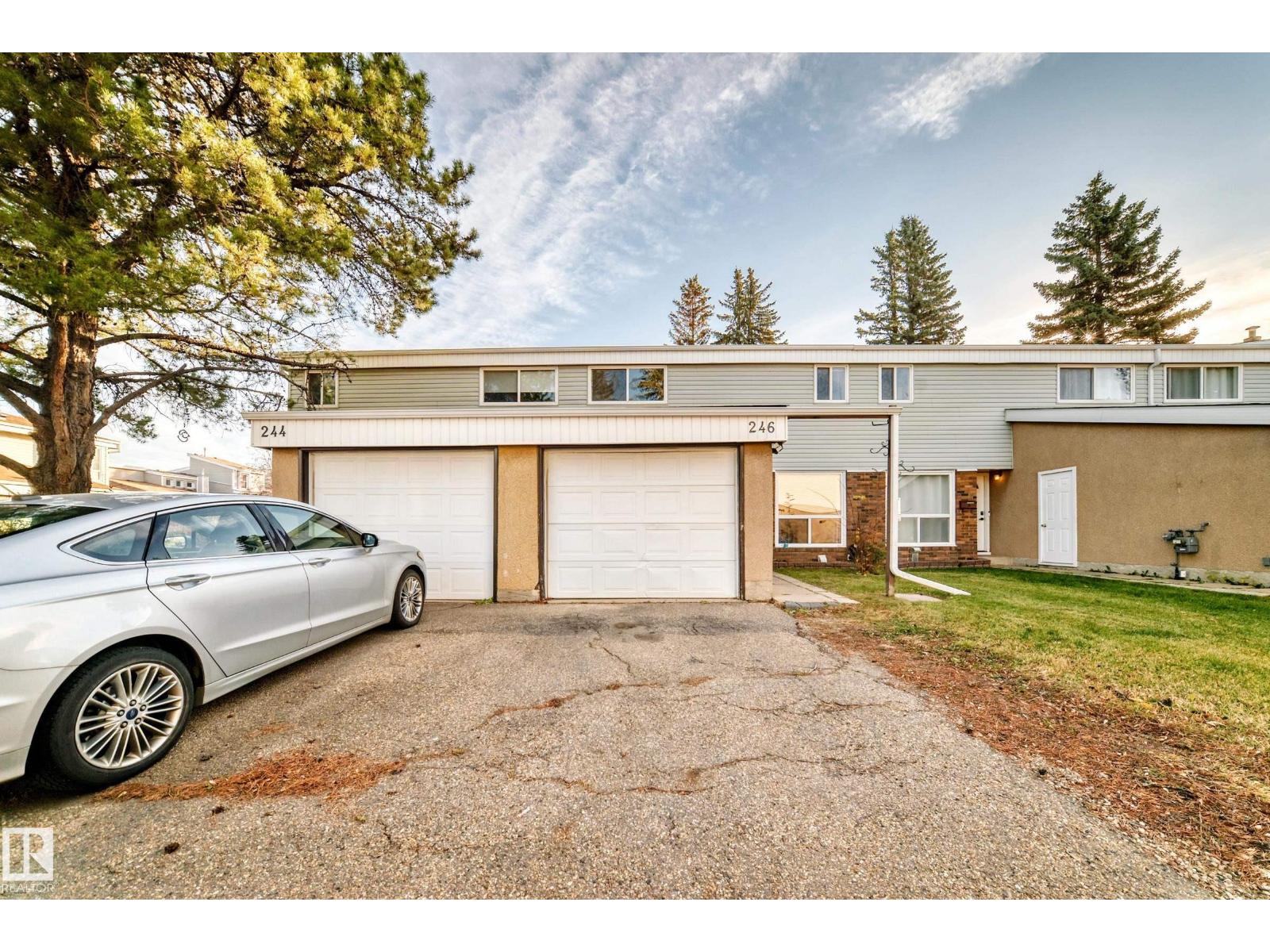
 New
New$300,000
583 bd1+1 ba1,302 ft²$230/ft²
246 Grandin Vg
Row / TownhouseGrandin1 day ago
E4513411 · Courtesy of REMAX River City
REALTOR.caGreater Edmonton · Independent city · Community profile
Population
~68,000
Distance
14 km NW
Commute
~20 min
Population: Statistics Canada / municipal census estimates. Distance and drive times are typical off-peak figures from Edmonton.
Live MLS® listings, newest first.
New3 bd1+1 ba1,302 ft²$230/ft²
E4513411 · Courtesy of REMAX River City
REALTOR.ca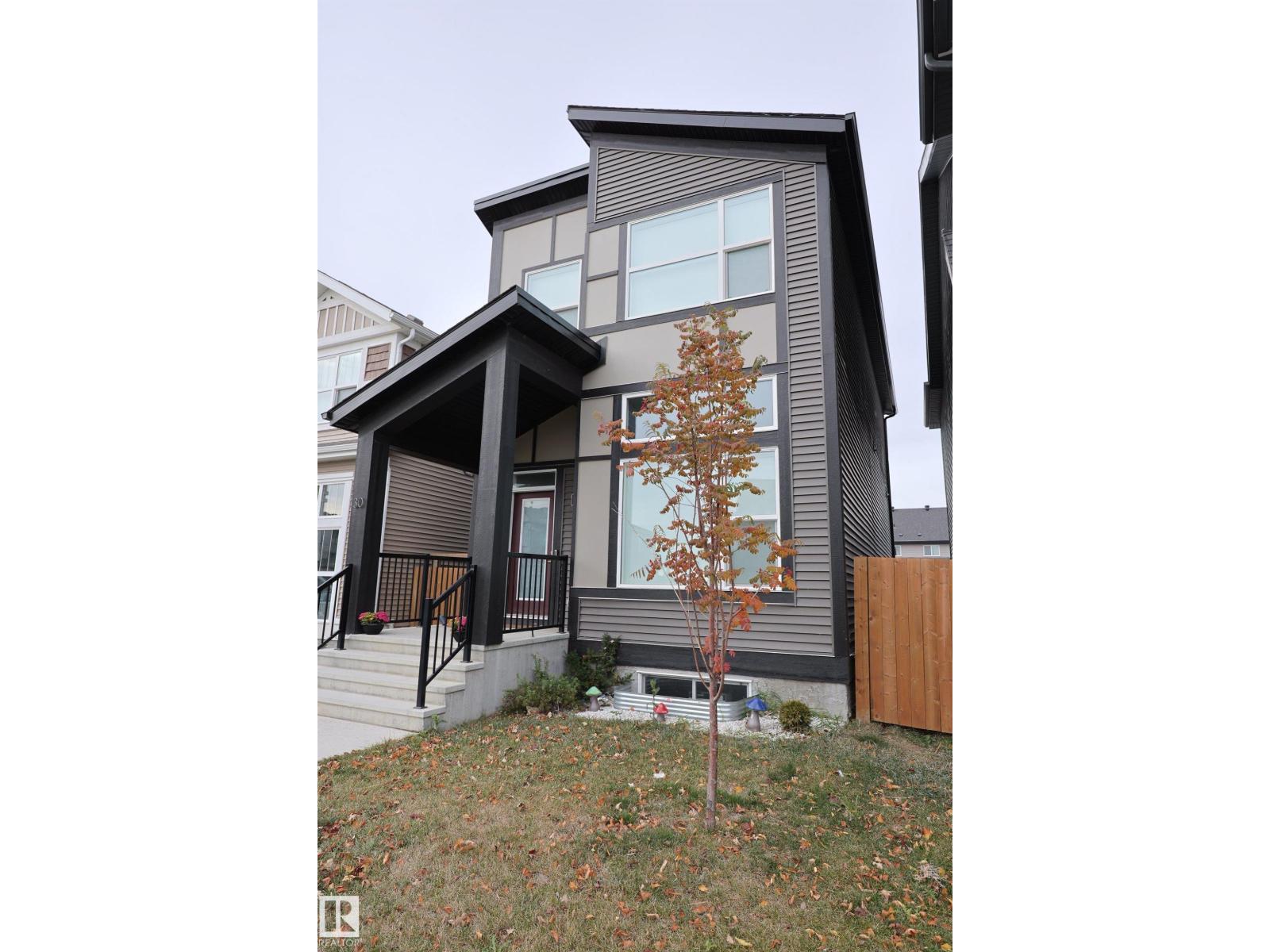 New
New3 bd2+1 ba1,651 ft²$302/ft²
E4513330 · Courtesy of RE/MAX Elite
REALTOR.ca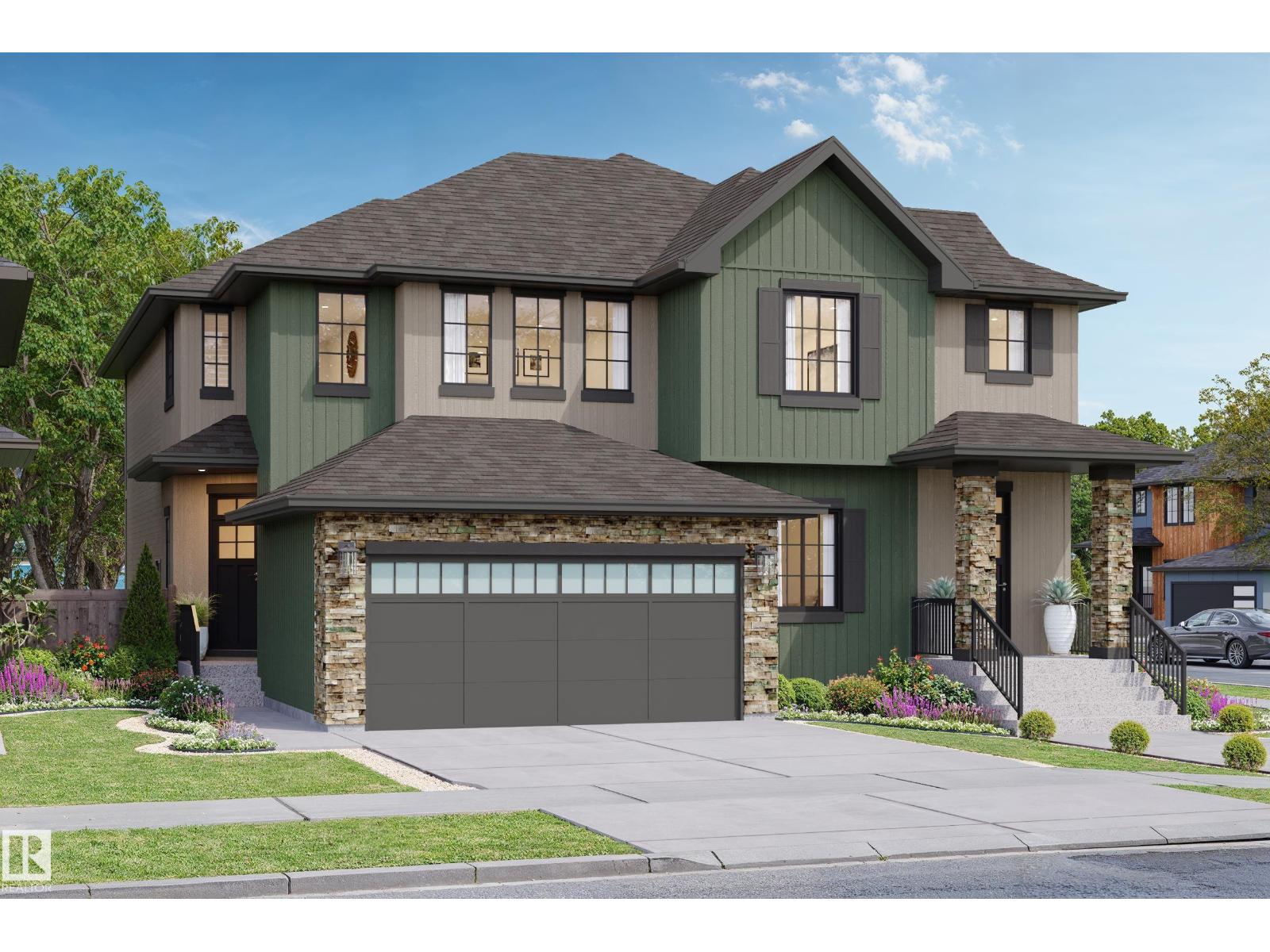 New
New3 bd2+1 ba1,581 ft²$292/ft²
E4513273 · Courtesy of Blackmore Real Estate
REALTOR.ca New
New4 bd3 ba1,217 ft²$444/ft²
E4513270 · Courtesy of Schmidt Realty Group Inc
REALTOR.ca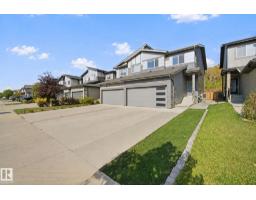 New
New3 bd2+1 ba1,744 ft²$292/ft²
E4513251 · Courtesy of REMAX River City
REALTOR.ca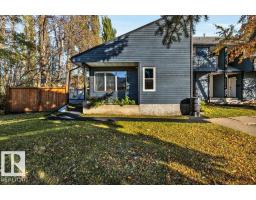 New
New3 bd2 ba1,013 ft²$306/ft²
E4513243 · Courtesy of RE/MAX Excellence
REALTOR.ca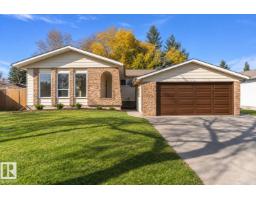 New
New3 bd1+1 ba1,352 ft²$422/ft²
E4513240 · Courtesy of REMAX River City
REALTOR.ca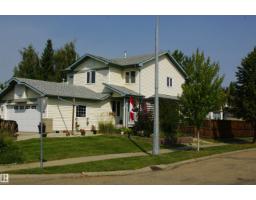 New
New5 bd3+1 ba1,733 ft²$340/ft²
E4513233 · Courtesy of Bermont Realty (1983) Ltd
REALTOR.ca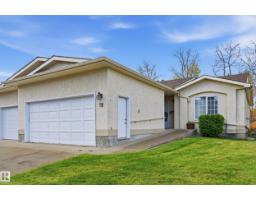 New
New3 bd3 ba1,356 ft²$353/ft²
E4513216 · Courtesy of RE/MAX Real Estate
REALTOR.ca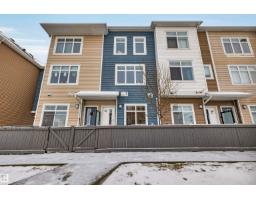 New
New2 bd2+1 ba1,473 ft²$244/ft²
E4513178 · Courtesy of RE/MAX Professionals
REALTOR.ca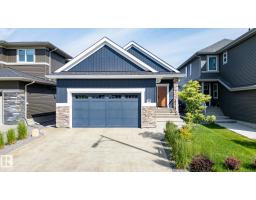 New
New4 bd3 ba1,348 ft²$556/ft²
E4513134 · Courtesy of RE/MAX Excellence
REALTOR.ca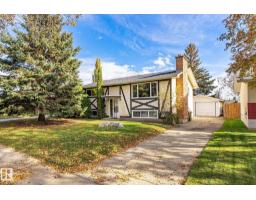 New
New4 bd2 ba1,159 ft²$388/ft²
E4513130 · Courtesy of RE/MAX Professionals
REALTOR.caMLS® listing content on this page is made available under our Terms of Use.
Christopher Peel · REALTOR®
MaxWell® Polaris
This website is operated by Christopher Peel, REALTOR®, of MaxWell Polaris, Edmonton, Alberta — the brokerage responsible for this website.

The listing data above is provided under copyright by the Canadian Real Estate Association (CREA). The listing data is deemed reliable but is not guaranteed accurate by CREA nor BestYEGHomes.
Listing information last updated on October 18, 2026 at 12:30 a.m. MT.
Keep this St. Albert search — save it to a free account and be first in line when daily email alerts switch on.
St. Albert has the feel of a city that grew up on its own terms. The Sturgeon River winds through the centre, the Botanic Park draws families year-round, and the downtown farmers market — one of Western Canada's largest — anchors Saturday mornings from June through October.
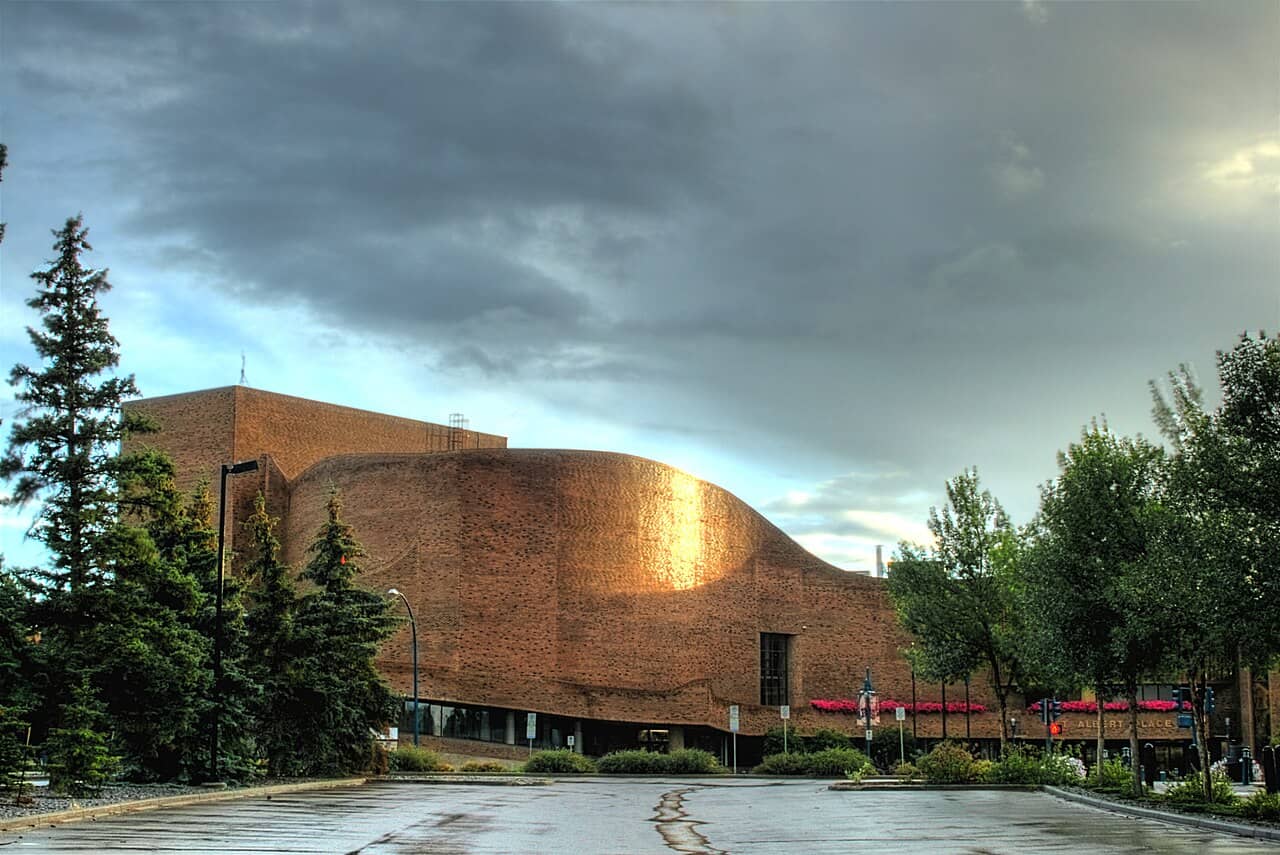
St. Albert is an independent city northwest of Edmonton with a distinct civic identity. It governs its own schools, parks, transit, and development — and residents are quick to point out the difference. The Sturgeon River valley runs through the heart of the city, connecting trail systems, parks, and the Arden Theatre district.
The community skews family-oriented with higher-than-average household incomes. Schools consistently rank well under both the Greater St. Albert Catholic (GSACRD) and St. Albert Public (STAR Catholic) systems. Newer subdivisions like Jensen Lakes and Erin Ridge North sit alongside established areas like Grandin and Lacombe Park.
For many buyers, St. Albert represents the balance: city-level amenities with a smaller-city pace. You get independent restaurants on St. Albert Trail, the Red Willow trail system for year-round recreation, and a 20-minute commute to downtown Edmonton when you need it.
Quick Facts
The drive
to downtown Edmonton · via St. Albert Trail / HWY 2 · 14 km NW
Notable Features
Everyday life
St. Albert Public Schools and Greater St. Albert Catholic Schools both serve the city. French immersion is available at multiple schools. Bellerose Composite High School and Paul Kane High School are the main high schools, both with strong academics and athletics programs.
Servus Place is the city's flagship recreation centre — two ice rinks, aquatic centre, fitness facilities, and indoor track. The Enjoy Centre on the north end combines greenhouse shopping with local food vendors. Downtown Perron Street has independent shops, restaurants, and the Arden Theatre for live performance.
St. Albert Trail connects directly to Edmonton's northwest, reaching downtown in about 20 minutes outside peak hours. The St. Albert Transit system runs local routes and commuter service into Edmonton. HWY 2 (now part of the QE2) provides a fast corridor south. Rush hour on St. Albert Trail can add 10-15 minutes — many commuters learn the back routes through 137 Avenue or 153 Avenue.
The pace here is deliberate. Weekend farmers markets, river valley walks, community league events. St. Albert consistently ranks among Canada's best places to live in Maclean's surveys — and that reputation attracts families who want quality schools without the scale of Edmonton.
Housing & market
The housing mix ranges from established 1970s bungalows in Grandin and Akinsdale to newer two-storey homes in Jensen Lakes and Riverside. Detached homes dominate the market, though townhouse and condo options have expanded in recent years. Entry prices for detached homes generally start above Edmonton averages, reflecting the school reputation and community amenities.
Through September 2026, home sales in St. Albert are running behind last year's pace. MLS® prices, sales, and trends for this area are free with an account.
Direction from REALTORS® Association of Edmonton published municipality statistics; the figures are free with a registered account — a requirement of our data sources.
Regional context
Source: Statistics Canada / municipal census estimates.
The honest read
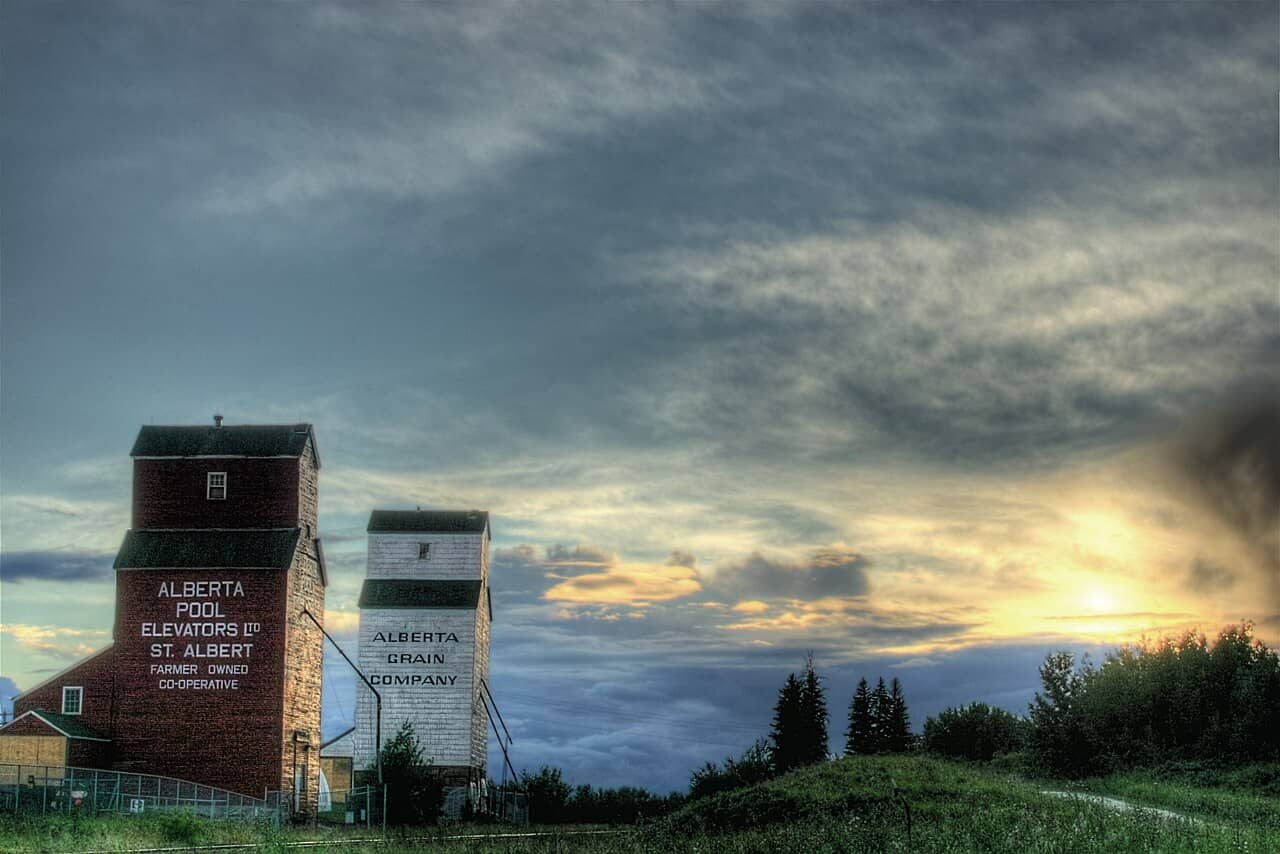
 Photo: WinterE229 (WinterforceMedia), CC0, via Wikimedia Commons
Good to know
No. St. Albert is an independent city with its own municipal government, police service (RCMP-contracted), transit system, and school boards. It borders Edmonton to the northwest but operates as a separate municipality.
St. Albert home prices generally run above Edmonton averages, particularly for detached homes. The premium reflects strong school reputations, lower crime rates, and community amenities. Specific pricing varies by neighbourhood — newer areas like Jensen Lakes command higher prices than established areas like Akinsdale.
About 20 minutes outside rush hour via St. Albert Trail. During peak times (7:30-8:30 AM, 4:30-5:30 PM), expect 30-40 minutes. The commute to west Edmonton or the university area is typically shorter.
Yes. St. Albert's schools consistently perform well. The city is served by St. Albert Public Schools and Greater St. Albert Catholic Schools. French immersion programs are available. Bellerose Composite and Paul Kane are the main high schools.
On the market
Browse every home for sale in St. Albert →
Every active MLS® listing in St. Albert — not a selection — updated daily from the REALTOR.ca data feed, with photos, prices and full property details.
Last updated: October 2026. Community profiles are reviewed quarterly.
This community profile is for informational purposes. Housing prices and market conditions change — verify current data with a local REALTOR® or municipal office. BestYEGHomes is based in Edmonton and provides regional market intelligence.
Keep exploring
Go deeper